
How Aeration Improves Lawn Drainage?
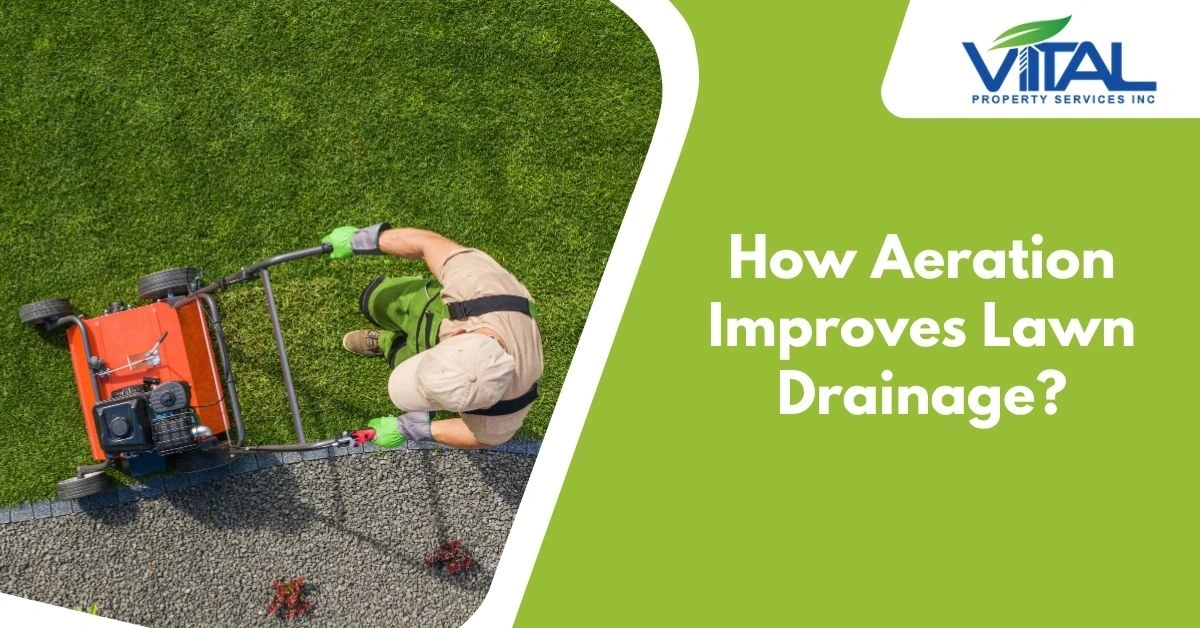
Poor drainage is one of the most common problems affecting residential lawns. When water remains on the surface instead of soaking into the soil, grass roots struggle to receive the oxygen they need. Over time, this can weaken the lawn and create conditions for thinning grass, muddy areas, and uneven growth. Lawn Aeration helps improve drainage by relieving soil compaction and allowing water, air, and nutrients to move more freely below the surface.
Why Poor Lawn Drainage Happens?
Healthy soil naturally absorbs rainfall and irrigation. However, frequent foot traffic, heavy equipment, and dense soil can gradually reduce the spaces that allow water to move through the ground.
Common causes of poor drainage include:
- Compacted soil
- Heavy clay soil
- Frequent foot traffic
- Standing water after rain
- Thick thatch buildup
These conditions prevent moisture from reaching the root zone, making it more difficult for grass to grow evenly.
How Lawn Aeration Improves Lawn Drainage?
Removing small plugs of soil creates openings that allow water to move deeper into the ground instead of collecting on the surface. Through Lawn Aeration, drainage improves while air and nutrients move more efficiently around the root system.
Benefits of improved drainage include:
- Better water infiltration
- Reduced surface runoff
- Improved oxygen circulation
- Healthier root development
- Stronger lawn growth
As water reaches the roots more effectively, the lawn can recover faster and maintain healthier growth throughout the season.
Looking to improve your lawn drainage? Contact Us for professional landscaping solutions in Edmonton.
Signs Your Lawn May Need Aeration
Several visible symptoms can indicate drainage problems caused by compacted soil.
Common signs include:
- Water pooling after rainfall
- Soft or muddy lawn areas
- Thin or patchy grass
- Hard, compacted soil
- Slow lawn recovery
A professional inspection can determine whether Lawn Aeration is the right solution for improving drainage and overall lawn health.
When Is the Best Time to Aerate Your Lawn?
Timing plays an important role in achieving the best results. While Lawn Aeration can benefit many lawns, spring and fall are generally the ideal seasons because grass is actively growing and can recover more quickly after the process.
Benefits of seasonal aeration include:
- Faster lawn recovery
- Improved nutrient absorption
- Better root development
- Healthier grass growth
- Enhanced seasonal performance
Scheduling aeration during the appropriate season helps maximize its long-term benefits and supports healthier lawns throughout the year.
Professional Lawn Aeration Supports Long-Term Soil Health
While aeration improves drainage immediately, its long-term value comes from creating healthier soil conditions. Professional Lawn Aeration services evaluate soil compaction, perform precision core aeration, and provide recommendations that support continued lawn improvement.
Professional services may include:
- Lawn assessment
- Soil evaluation
- Core aeration
- Lawn care guidance
- Overseeding recommendations
Regular aeration helps maintain proper drainage while supporting stronger roots and healthier grass over time.
Why Professional Lawn Aeration Delivers Better Results?
Although lawn aeration equipment is available for rent, achieving consistent results requires the right techniques and an understanding of soil conditions. Professional Lawn Aeration begins with assessing the lawn before selecting the appropriate approach for improving soil health and drainage.
Professional services provide:
- Comprehensive lawn assessments
- Precision core aeration
- Proper equipment selection
- Expert lawn care recommendations
- Long-term soil improvement
Working with experienced professionals helps ensure your lawn receives the care it needs to promote stronger roots, improved drainage, and healthier growth over time.
Frequently Asked Questions
How does Lawn Aeration improve lawn drainage?
By relieving soil compaction, Lawn Aeration creates small openings that allow water to move deeper into the soil instead of collecting on the surface. This improves drainage and supports healthier root development.
What causes poor lawn drainage?
Poor drainage is commonly caused by compacted soil, heavy clay, excessive foot traffic, and thick thatch, all of which limit water movement into the soil.
How do I know if my lawn needs aeration?
Signs include standing water after rain, hard or compacted soil, patchy grass, slow drainage, and weak lawn growth.
When is the best time to aerate a lawn?
Spring and fall are generally the best times because grass is actively growing and can recover more quickly after the aeration process.
Can professional Lawn Aeration improve long-term lawn health?
Yes. Professional Lawn Aeration improves water infiltration, increases nutrient absorption, strengthens root systems, and helps maintain healthier, more resilient lawns over the long term
Conclusion
Poor drainage can gradually affect every part of your lawn, from root development to overall appearance. Lawn Aeration helps relieve soil compaction, improve water movement, and create healthier growing conditions for long-term lawn performance. When combined with proper seasonal lawn care, aeration supports stronger, greener, and more resilient lawns throughout the year.