
Fall Lawn Care Checklist Before Winter
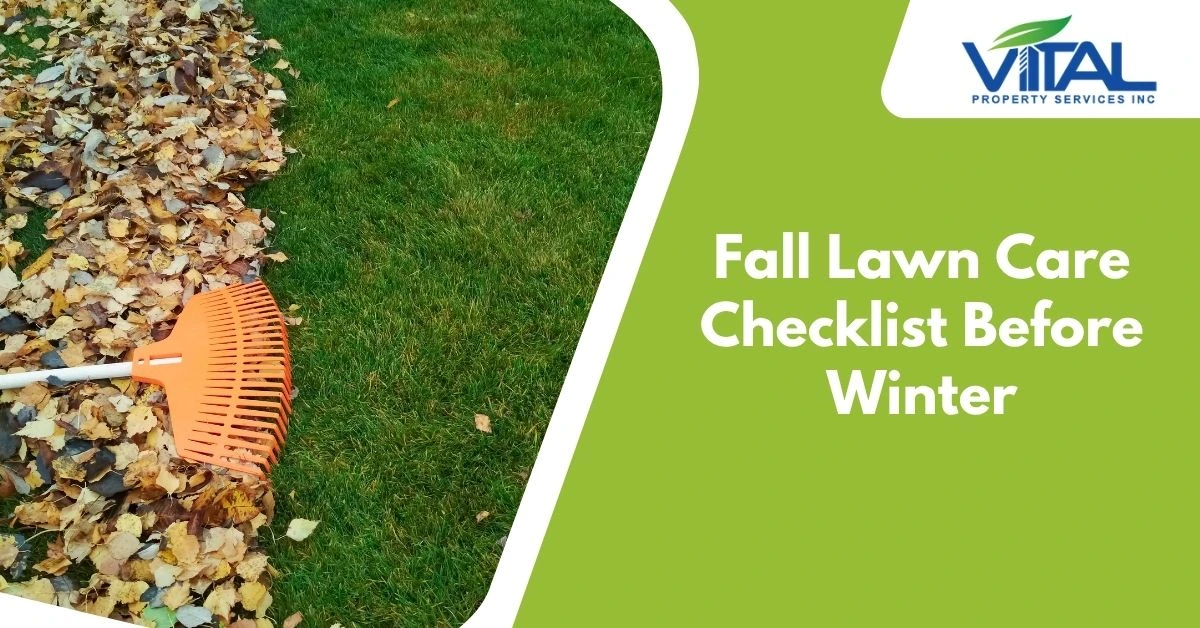
As temperatures begin to drop, preparing your lawn for winter becomes one of the most important seasonal maintenance tasks. Cold weather, snow, and freezing conditions can place significant stress on grass, making proper preparation essential for a healthy recovery in spring. A well-planned Lawn Care routine during the fall helps protect your lawn, strengthen its root system, and reduce the risk of winter damage for Edmonton properties.
Remove Leaves and Lawn Debris
Fallen leaves and garden debris may seem harmless, but they can trap moisture and block sunlight from reaching the grass. As part of seasonal Lawn Care, removing this debris helps reduce the risk of mould, disease, and weakened turf.
Your fall cleanup should include:
- Removing fallen leaves
- Clearing twigs and branches
- Cleaning garden beds
- Removing dead plant material
- Keeping the lawn free of debris
Regular cleanup helps create healthier growing conditions before winter arrives.
Continue Mowing Until Growth Slows
Grass continues to grow during the fall, although at a slower rate. Keeping the lawn at an appropriate height helps prepare it for colder temperatures while reducing the risk of disease.
Benefits of continued mowing include:
- Healthier grass blades
- Better air circulation
- Reduced risk of snow mould
- Improved lawn appearance
- Easier spring recovery
Proper Lawn Care throughout the fall includes mowing as needed until grass stops actively growing.
| Fall Lawn Task | Benefit Before Winter |
|---|---|
| Leaf Removal | Prevents moisture buildup |
| Final Mowing | Reduces disease risk |
| Lawn Fertilization | Strengthens root systems |
| Lawn Inspection | Identifies potential issues |
| Garden Bed Cleanup | Protects plants during winter |
Apply Fall Fertilizer
Grass requires nutrients before entering winter dormancy. As part of seasonal Lawn Care, fall fertilization helps strengthen root systems while storing nutrients that support healthier growth the following spring.
Benefits include:
- Stronger roots
- Improved nutrient storage
- Better winter resilience
- Healthier spring growth
- Enhanced lawn recovery
Seasonal fertilization is an important part of preparing lawns for changing weather conditions.
Inspect Your Lawn for Problem Areas
Fall is an excellent time to identify issues that may become more noticeable after winter.
Inspect your lawn for:
- Thin grass
- Bare patches
- Poor drainage
- Compacted soil
- Weed growth
Addressing these concerns as part of your Lawn Care routine helps prevent small problems from becoming larger repairs in spring.
Is your lawn ready for winter weather? Contact Us for professional landscaping solutions in Edmonton.
Clean and Prepare Garden Beds
Garden beds should also be prepared before winter arrives. As part of seasonal Lawn Care, removing dead plants and debris helps reduce the risk of pests and disease while creating a healthier environment for spring growth.
Garden bed maintenance includes:
- Removing dead annuals
- Clearing leaves
- Cutting back damaged plants
- Removing weeds
- Tidying landscape edges
A clean landscape is easier to maintain and recover after winter.
Schedule Professional Fall Lawn Care
Preparing your lawn for winter involves more than leaf removal. Professional services help ensure every part of the landscape is ready for seasonal changes.
Professional services may include:
- Lawn assessment
- Leaf and debris removal
- Final mowing
- Fertilization
- Seasonal recommendations
Professional Lawn Care helps improve lawn health while reducing the likelihood of winter-related damage.
Why Fall Preparation Supports Spring Recovery?
The condition of your lawn in spring often depends on the care it receives during the fall. Preparing the landscape before winter through proper Lawn Care helps protect grass, improve root health, and reduce cleanup when warmer weather returns.
A proactive approach helps:
- Support healthier root systems
- Reduce winter lawn stress
- Improve spring lawn appearance
- Minimize seasonal damage
- Encourage stronger grass growth
Proper fall preparation creates the foundation for a healthier lawn throughout the following growing season.
Frequently Asked Questions
Why is fall lawn care important?
Fall lawn care helps strengthen roots, prepare grass for winter, and reduce the risk of damage caused by cold temperatures, snow, and excess moisture.
When should I stop mowing my lawn?
Continue mowing until grass naturally stops growing. This usually occurs as temperatures continue to decline in late fall.
Should I remove all leaves before winter?
Yes. Removing leaves helps prevent moisture buildup, mould, and lawn disease while allowing grass to receive adequate airflow.
Is fall fertilization necessary?
Fall fertilization provides nutrients that strengthen root systems and prepare lawns for healthier spring growth.
How can professional Lawn Care help before winter?
Professional Lawn Care includes seasonal cleanup, lawn assessments, mowing, fertilization, and maintenance recommendations that help protect your lawn throughout the winter months.
Conclusion
Preparing your lawn before winter is one of the best ways to protect its long-term health and appearance. From removing leaves and mowing the grass to fertilizing and inspecting problem areas, each step contributes to stronger roots and healthier spring growth. By following a seasonal Lawn Care checklist, homeowners can reduce winter damage while maintaining attractive outdoor spaces year after year.